
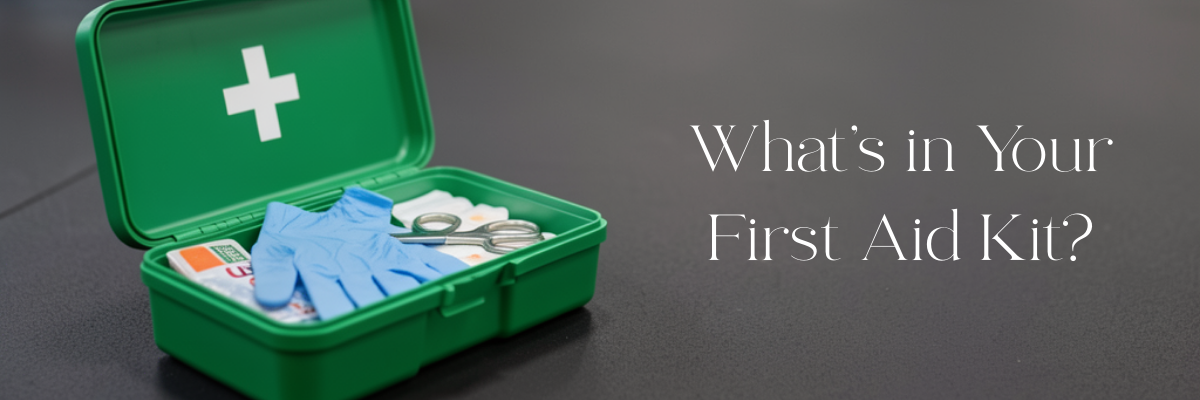
and Is It Actually Fit for Purpose?
A first aid kit is something most of us have tucked away in the background, mounted on a wall, tucked under a desk, or thrown into the boot of a car. But when was the last time you actually checked what was inside it?
Whether you’re a business owner, fitness instructor, therapist, parent, or just someone who likes to be prepared, a first aid kit is only useful if it’s stocked correctly, in date, and appropriate for the environment it’s used in.
Why first aid kits matter
In an emergency, seconds count. Scrabbling through a half-empty box or discovering items are missing or are out of date can turn a manageable situation into a stressful one very quickly.
First aid kits should:
Be easy to access
Be clearly labelled
Contain the right items for the setting
Be checked and replenished regularly
What should be in a basic first aid kit?
While kits vary depending on risk level, a standard workplace or community first aid kit should include:
Dressings & bandages
- Assorted sterile plasters
- Sterile eye pads
- Sterile wound dressings (various sizes)
- Crepe or conforming bandages
- Triangular bandage (for slings or immobilisation)
Cleaning & protection
- Alcohol-free cleansing wipes
- Disposable gloves (nitrile preferred)
- Face shield or resuscitation mask
Tools
- Scissors
- Tweezers
- Safety pins
Other essentials
- Burn dressing or gel
- Foil blanket
- Eye wash (if relevant)
- First aid guidance leaflet
Remember: medication such as paracetamol, etc. should not be kept in a workplace first aid kit.
Location matters
A gym, treatment room, office, childcare setting, or vehicle will all have different risks. Your kit should reflect this. For example:
- Fitness environments may need ice packs and additional bandages
- Therapists may require extra gloves and cleansing wipes
- Outdoor or remote work may need emergency blankets and additional dressings
Don’t forget expiry dates
Items like sterile dressings, wipes, and burn gels all expire. An expired item may not be sterile or effective when you need it most.
A simple solution:
Assign a monthly or quarterly check
Record checks on a log sheet
Replace items immediately once used
Training matters just as much as equipment
A fully stocked kit is only half the story. Knowing how and when to use it is what really makes the difference. Regular first aid training builds confidence, reduces panic, and can genuinely save lives.
If you’re responsible for a workplace, class, or community group, keeping your first aid kit up to date is part of your duty of care, and a simple one to stay on top of.